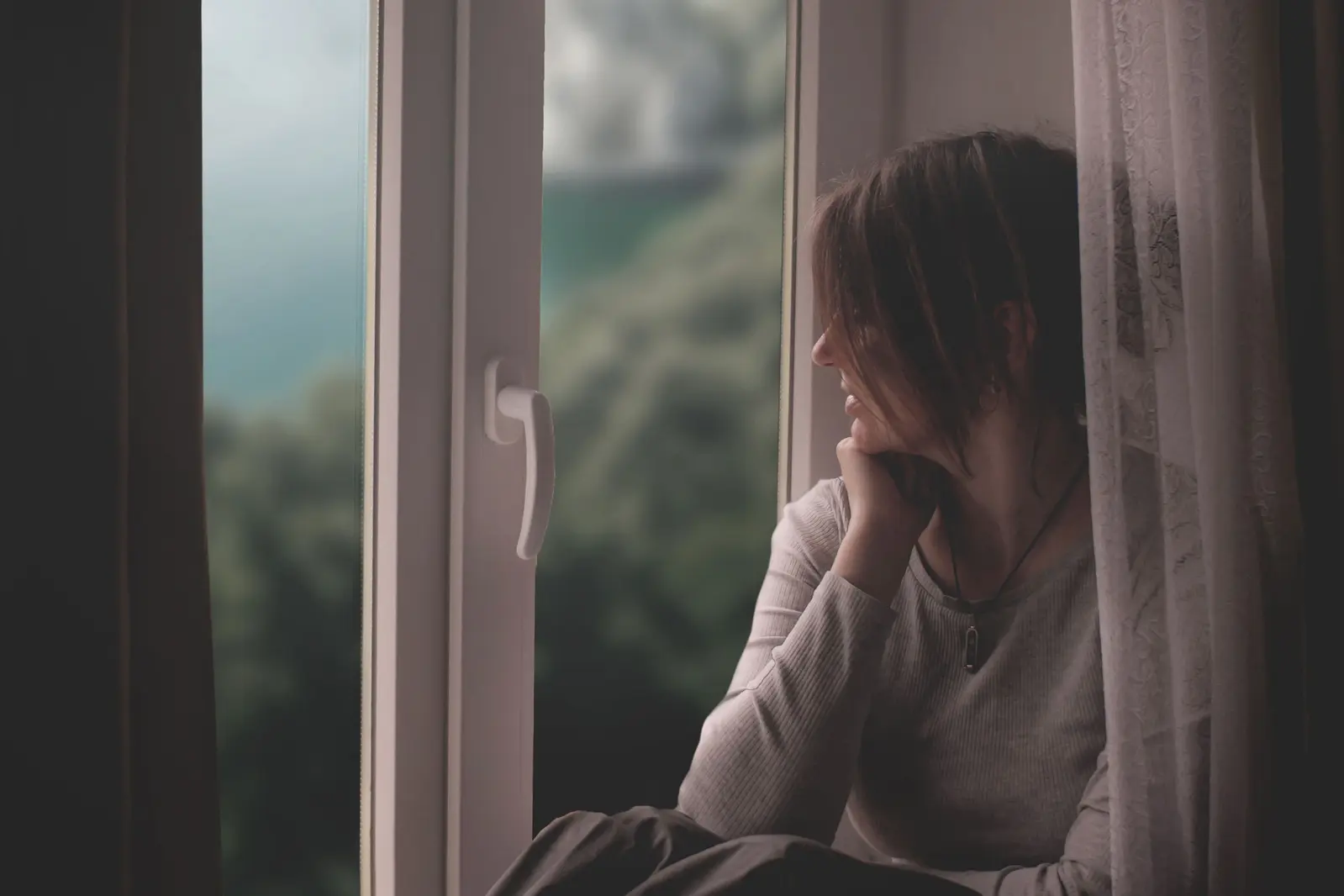
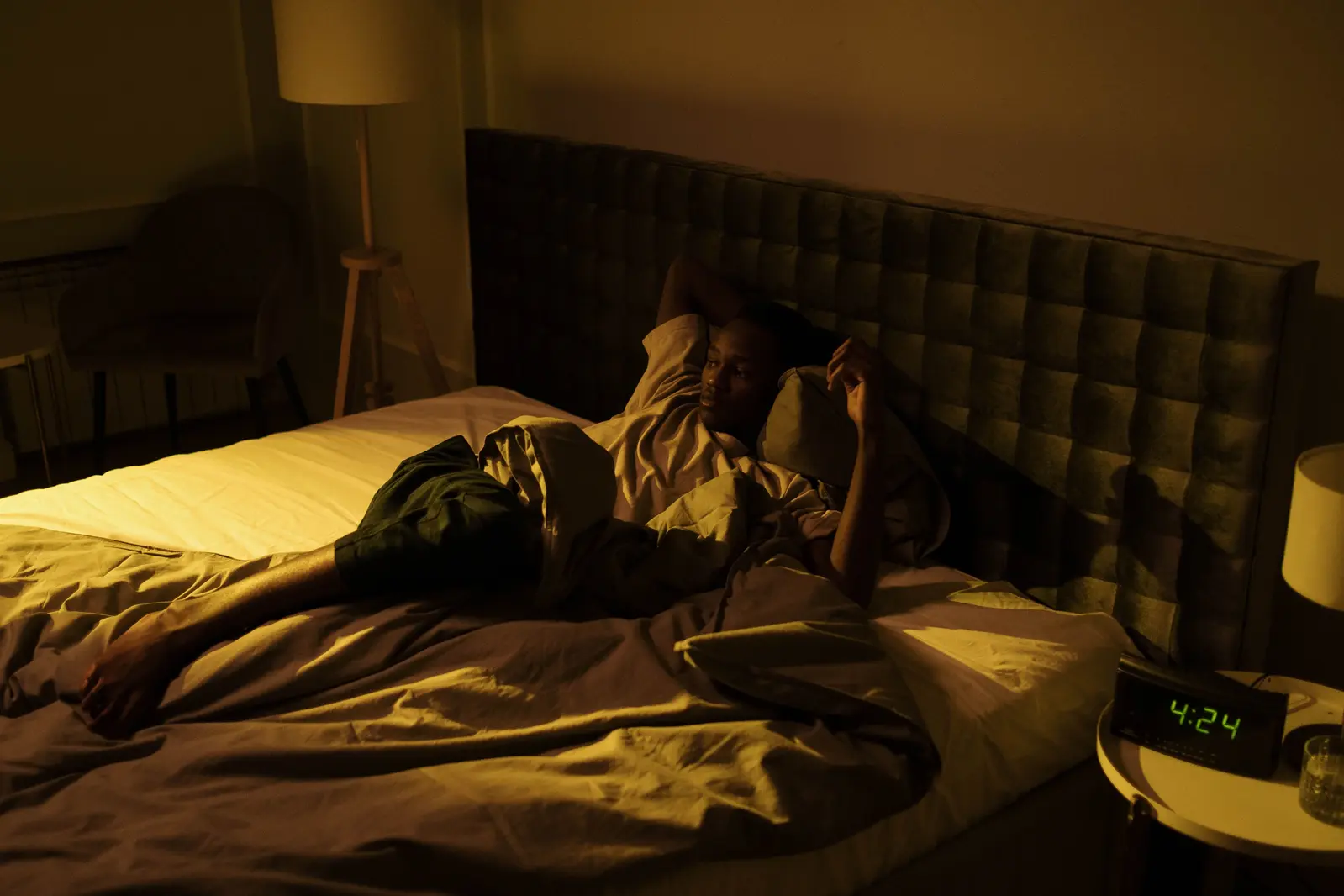
Anxiety intensifies in the evening for a simple structural reason: it’s the first time all day your mind has nothing to do. Daytime is full of tasks, people and stimulation that absorb attention and postpone processing; when the distractions stop, everything postponed arrives at once. Add fatigue (which weakens the mental control that kept worries contained), darkness and solitude (ancient cues for vigilance), and the knowledge that you should be relaxing — and the evening becomes the day’s ambush hour. It’s not that your problems grow at 22:00; it’s that your defenses stand down before your stress does.
Here’s the mechanism in full, why “just stop worrying” is structurally impossible, and the evening-specific counters that work.
The four reasons evenings turn on you
1. The distraction dam breaks. Worry needs attention to run, and daytime rarely offers it uninterrupted attention. Meetings, messages, tasks and logistics function as a dam holding the day’s unprocessed material back. Evening removes the dam. What floods in isn’t new anxiety — it’s the day’s deferred processing, arriving in one delivery. This is why the worries feel so insistent at night: they’ve been queuing.
2. Fatigue lowers the guard. The mental effort that reframes, dismisses and contains anxious thoughts — largely prefrontal work — is exactly the capacity a long day depletes. By evening you’re running the day’s hardest cognitive task (managing your own mind) on the day’s lowest resources. The same thought you’d wave off at 10:00 lands like a verdict at 23:00 — not because it got truer, but because the part of you that argues back went home early.
3. The body reads darkness as vigilance time. Dim light, quiet and solitude are evolutionarily ancient signals to scan for threat. Layered on modern content — evening news, a last check of email, a scroll through everyone else’s highlight reel — the nervous system gets vigilance cues from both its oldest wiring and its newest habits at precisely the hours it’s supposed to down-shift. (Our nervous system guide covers this arousal machinery in full.)
4. The pressure to relax backfires. Evening comes with an expectation: this is your time to unwind. Anxiety in that slot therefore carries a second layer — distress about the distress (“I can’t even relax properly”) — which is the same trap that makes forcing sleep impossible, and part of the broader pattern we unpack in why you can’t relax even when you have time.
If the anxiety crests after lights-out or in the small hours rather than in the evening proper, the cortisol timing covered in why you wake at 3am is the adjacent piece.
What actually helps
The counters follow directly from the mechanisms: give the queued material a scheduled outlet, stop feeding the vigilance channel, and down-regulate the body rather than debating the mind.
Schedule the worry — earlier. The single most effective structural fix is a deliberate “worry window”: 10–15 minutes in the late afternoon or early evening (not at bedtime) where you sit with a page and process on purpose — what’s bothering you, what’s actionable, what the next small step is. This drains the queue before the ambush hour, and it gives night-time intrusions a legitimate answer: that’s handled at tomorrow’s session. It feels artificial; it works remarkably well, and it’s the expanded version of the close-the-day step in the evening wind-down routine.
Write, don’t ruminate. When a worry does arrive at night, externalize it — one line on paper. Rumination is the mind rehearsing what it fears losing track of; the note removes the job. Looping the thought silently, by contrast, just deepens the groove.
Cut the evening vigilance feed. News, work email and social feeds are arousal inputs, and evening is when they cost most. A digital sunset — downgrading screens in the last hour rather than heroically banning them — removes the modern half of the vigilance signal.
Work the body, not the argument. You cannot reliably out-debate evening anxiety, because the debating faculty is what fatigue took. Go bottom-up instead: a physiological sigh or two when the wave hits, then slow exhale-weighted breathing (any of the paced patterns); warmth (a shower or bath); dim light; gentle stretching. These lower the arousal that makes the thoughts feel urgent — and thoughts at lower arousal are noticeably less convincing.
Keep the alcohol honest. A drink genuinely quiets evening anxiety for an hour — then repays it with interest via rebound arousal and fragmented sleep, which raises tomorrow evening’s baseline. As a nightly anxiety tool, it’s a loan shark.
Protect the sleep that resets the whole system. Everything above works better on adequate sleep, because sleep restraint is tomorrow’s fatigue, and fatigue is mechanism #2. The sleep and overnight recovery guide is, in this sense, anxiety infrastructure.
When evening anxiety deserves more than self-help
Occasional anxious evenings are a normal feature of a loaded life. Consider talking to a doctor or therapist when: evening anxiety is frequent and intense enough to dread the end of the day, when it regularly blocks sleep, when it comes with panic attacks, or when low mood is riding along with it. These patterns respond well to treatment — modern therapy for anxiety is genuinely effective — and using professional help for a nightly struggle isn’t an escalation; it’s proportionate.
Frequently asked questions
Why do I feel fine all day and anxious at night?
Because daytime structure absorbs attention and defers processing; evening removes the distraction and delivers the backlog just as mental fatigue weakens your ability to contain it. The anxiety was queued, not absent. A scheduled earlier worry window drains the queue before it ambushes you.
How do I stop my mind racing at night?
Externalize instead of arguing: write the thought down, assign it a time tomorrow, then shift to the body — slow exhale-weighted breathing, dim light, warmth. Racing minds respond to lowered physiological arousal far better than to internal debate, which fatigue has already rigged against you.
Is nighttime anxiety a sign of an anxiety disorder?
Not by itself — evening amplification is a normal mechanism that affects most people under load. Frequency and impact are the markers: if most evenings are dominated by anxiety, sleep is regularly blocked, or panic attacks occur, that’s the threshold for a professional conversation, and treatment works.
Does alcohol help evening anxiety?
Briefly yes, then reliably no: the short-term quieting is followed by rebound arousal and fragmented sleep, which raises the next day’s anxiety baseline. Used nightly, it becomes a cycle that manufactures the problem it treats. Warmth, breathwork and a worry window are the honest substitutes.
What’s the fastest thing to do when anxiety hits at 10pm?
One to three physiological sighs, then cold water on the face or a warm shower, lights down, and one written line capturing the worry with a tomorrow-time attached. Under two minutes total, and it addresses arousal, vigilance and the queue at once.
Keep reading: the full down-regulation toolkit is in our nervous system guide; the evening structure that prevents the ambush is the evening wind-down routine; and if the wave arrives after you’re asleep instead, see why you wake at 3am.
This article is for informational purposes and is not medical advice. If anxiety is frequent, severe, or affecting your daily life or sleep, please speak with a doctor or qualified mental health professional.