You calm your nervous system through the body, not through arguments with your own thoughts. The fastest reliable levers are breath (especially extended exhales), temperature, movement, touch and light — physical inputs that speak the nervous system’s actual language. “Just relax” fails because it’s a verbal instruction sent to a system that doesn’t take verbal instructions.
This guide explains the stress response in plain language, why chronic activation became the default state for so many people, and how to build a small daily practice of down-regulation that works on a real schedule.
The stress response in plain language
Your autonomic nervous system runs the body’s background operations through two branches. The sympathetic branch is the accelerator — mobilizing energy, sharpening focus, raising heart rate for action. The parasympathetic branch is the brake — digestion, repair, recovery, rest. Health isn’t about staying permanently calm; it’s about flexibility, moving between the two states appropriately and returning to baseline when the demand passes.
Layered on top is the HPA axis (hypothalamic–pituitary–adrenal axis) — the hormonal stress system that releases cortisol, mobilizing energy and sharpening alertness on a slower timescale than the nervous system’s immediate response.
Both systems evolved for stressors with endings: the threat appears, you respond, it resolves, you recover. Modern stress rarely ends — inboxes, news, finances and deadlines produce a low, continuous activation with no resolution signal. The result is a nervous system that forgets where the brake pedal is: sleep suffers, digestion complains, focus frays, and — the signature symptom — you find you can’t relax even when you finally have time. Rest becomes a skill that atrophied.
The cultural conversation has noticed, mostly through TikTok’s vocabulary of “cortisol face” and “cortisol belly” — claims that deserve the honest endocrinology treatment we give them in cortisol claims vs reality.
Why “just relax” fails
Willing yourself calm is top-down regulation: the thinking brain trying to talk the alarm system down. It works poorly under real activation, because the alarm systems evolved to override deliberation — that’s their job.
Bottom-up regulation works in the opposite direction: changing the body’s physical state — breath rate, temperature, muscle tension, sensory input — so the signals traveling up to the brain report safety. The brain then concludes, from the evidence, that things are calm. Every technique in this guide is bottom-up. You don’t have to believe in any of them for them to work; you have to do them.
The regulation toolkit
Breath — the only autonomic lever with a manual override
Breathing is the one autonomic function you can consciously steer, which makes it the master key. The core principle is simple: exhales activate the brake. Heart rate naturally rises slightly on inhale and falls on exhale; extending exhales tilts the whole system parasympathetic.
The fastest evidence-backed application is the physiological sigh — a double inhale through the nose followed by a long exhale, one to three repetitions — which measurably reduces arousal in under a minute and works mid-meeting, mid-argument, mid-anything. For longer practices, the differences between box breathing, 4-7-8 and coherent breathing matter less than the shared mechanism (slow rate, long exhales), but each has its best use case, which we compare honestly.
Temperature — borrowed from the cold pillar
Brief cold exposure produces a sharp sympathetic spike followed by a pronounced calm — a controlled stress with a clean ending, which is exactly what modern life lacks. Cool water on the face specifically engages the mammalian dive response, slowing heart rate directly. The full protocols live in our cold and heat therapy guide; the sixty-second version is cold water on face and wrists.
Touch and pressure
Deep, steady pressure is a primal safety signal — the physiology behind weighted blankets and the surprisingly persistent popularity of acupressure mats, where the evidence is modest but the relaxation response many users report is consistent with the pressure-and-attention mechanism rather than the meridian marketing. Self-applied pressure — one hand on chest, one on abdomen, slow breathing — costs nothing and travels everywhere.
Sound, light and environment
The nervous system continuously reads the environment for threat cues. Harsh light, notification pings and background news all vote for vigilance; dim warm light, steady quiet sound and visual order vote for safety. This is also where screens earn their reputation — less for their blue light than for their content’s arousal properties — and why a digital sunset is as much a nervous system practice as a sleep practice.
The vagus nerve — hype-checked
The vagus nerve is the main highway of the parasympathetic system, connecting brainstem to heart, lungs and gut; “vagal tone” describes how readily your brake engages. The internet has turned it into a merchandising category. The honest summary: slow exhale-weighted breathing, cold on the face, humming and singing plausibly engage vagal pathways and cost nothing; consumer gadgets claiming targeted “vagus nerve stimulation” mostly outrun their evidence. What works and what’s hype draws the line item by item.
Building a daily regulation practice
Chronic activation isn’t fixed by occasional heroic relaxation — a spa day cannot compensate for 340 days of vigilance. Small, repeated down-regulations teach the system that the brake exists and works.
A realistic daily scaffold:
- Morning (2 minutes): before the phone, ten slow breaths with extended exhales. You’re setting the day’s baseline, not meditating.
- Transitions (30 seconds each): one to three physiological sighs at the seams of the day — after meetings, before the front door, in the parked car. Transitions are where activation compounds unnoticed.
- Evening (10–20 minutes): one deliberate down-regulation block — the 20-minute nervous system reset — placed before whatever ambush hour anxiety usually claims. If your worries reliably arrive at bedtime, why stress peaks at night explains the mechanism and the counter-moves.
For the smallest viable version — and how this weaves into a complete recovery practice alongside sleep, movement and the rest — see our daily recovery routines pillar, where mental recovery takes its place as one thread of the whole.
When to seek more than self-regulation
Self-regulation techniques are maintenance and first aid, not treatment. If anxiety or stress significantly impairs your daily functioning, sleep or relationships for weeks at a stretch, if you experience panic attacks, or if low mood persists most days — talk to a doctor or a qualified therapist. These techniques pair well with professional care; they don’t replace it.
Frequently asked questions
How quickly can breathing actually calm me down? Measurable heart-rate effects begin within a single extended exhale, and one to three physiological sighs shift subjective arousal within about a minute. Deeper resets take five to twenty minutes of slow breathing. Speed improves with practice as the response becomes conditioned.
Is stress ever good for me? Yes — acute, bounded stress with recovery afterwards builds capacity; it’s the basis of all training. The problem is chronicity: activation without resolution. The goal of nervous system work isn’t a stress-free life but reliable returns to baseline.
Why do I feel exhausted but wired at the same time? “Tired and wired” typically reflects prolonged sympathetic activation: the energy reserves are depleted while the alarm system stays engaged, blocking restful states. It responds best to bottom-up down-regulation — breath, dim light, warmth — rather than stimulation or willpower.
Do supplements calm the nervous system? A few have modest evidence in specific contexts, but none substitutes for the behavioral levers, and “calming” supplement marketing dramatically outruns its data. Anything strong enough to genuinely alter your nervous system deserves a conversation with a doctor, not an ad-driven purchase.
How is this different from meditation? Meditation is one practice among several here, with good evidence and a real learning curve. The toolkit approach starts with faster, more mechanical levers — breath patterns, temperature, pressure — that work without training. Many people find meditation becomes accessible only after basic regulation improves.
Can I overdo relaxation techniques? The practices themselves are hard to overdo, but monitoring your own calm can become its own vigilance — checking whether you’re relaxed yet is a stress behavior. Do the practice, then release the measurement. The paradox is real and worth naming.
This article is for informational purposes and is not medical advice. If stress, anxiety, or low mood is significantly affecting your life, please speak with a doctor or qualified mental health professional.
Guides on stress & the nervous system
-

How to Reset Your Nervous System: A 20-Minute Routine That Actually Descends
A 20-minute, four-block sequence — breath, movement, deep rest, quiet transition — that shifts you from sympathetic activation toward genuine parasympathetic recovery.…
-

Why You Can’t Relax in Your Free Time (And Why Forcing It Backfires)
Struggling to switch off isn’t a personal failing — it’s a nervous system still in task mode, sometimes with a guilt layer…
-
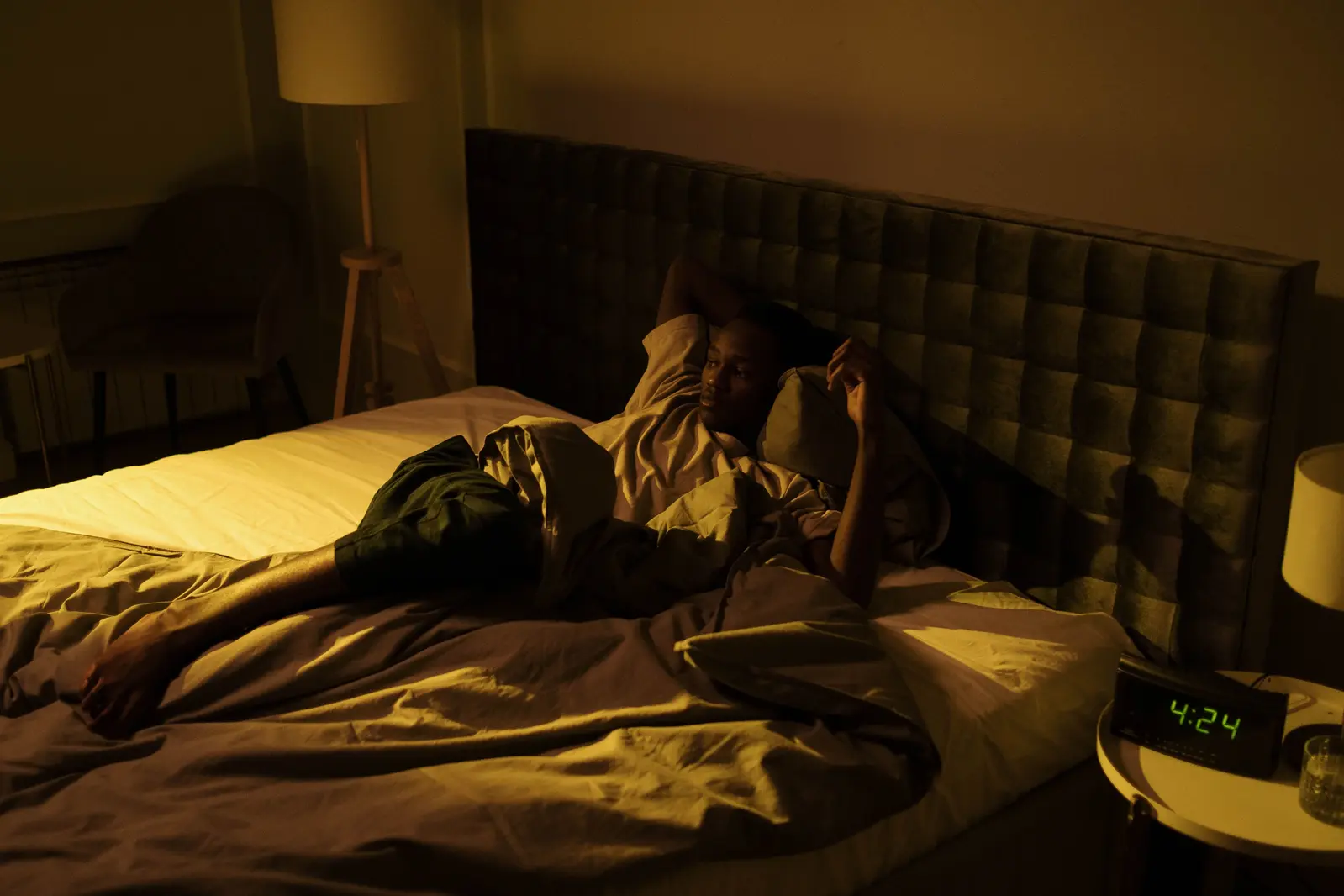
Why Stress Peaks at Night (and What Actually Helps)
Evening anxiety isn’t your problems growing — it’s your defenses standing down before your stress does. The structural reasons why, and the…
-
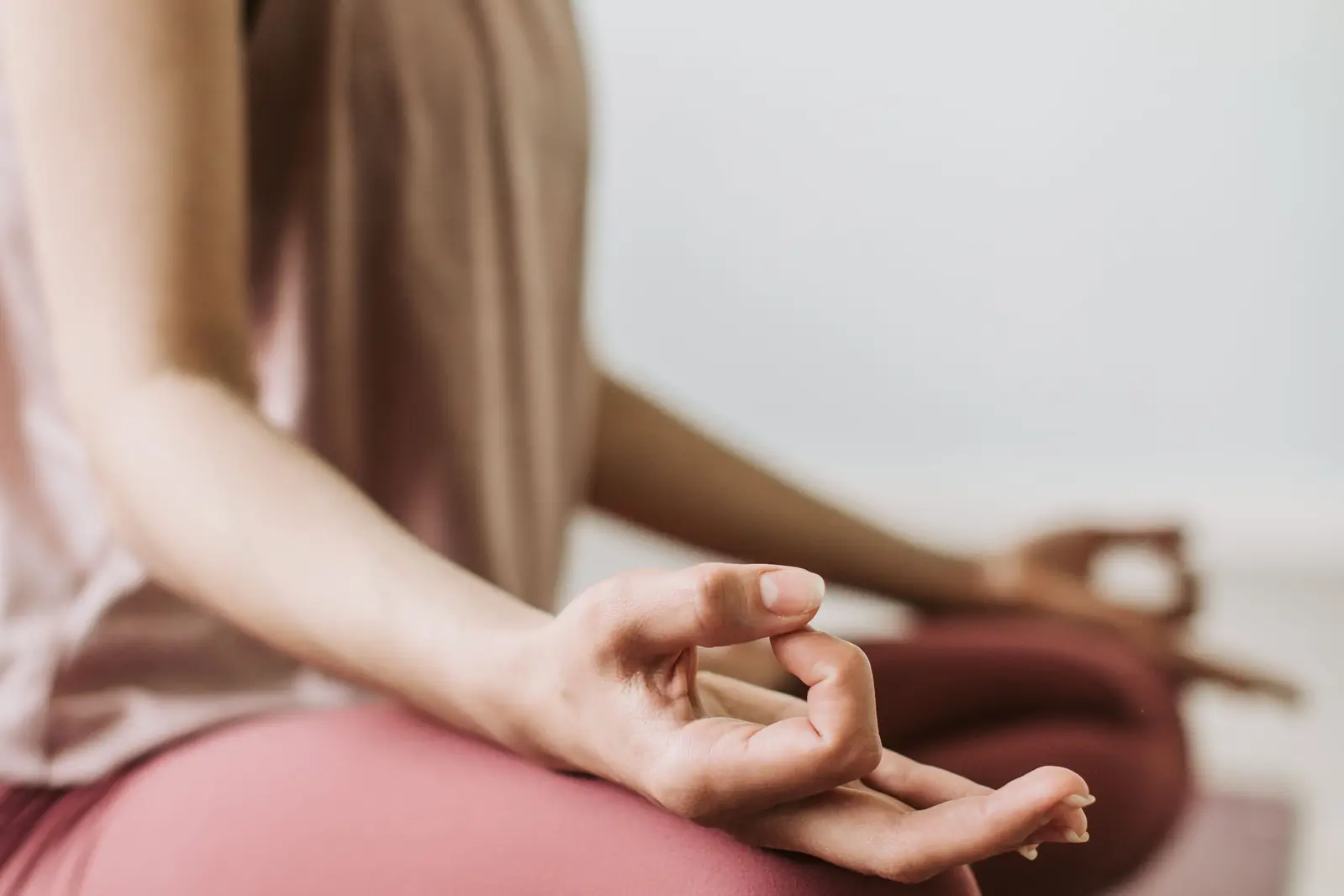
Box Breathing vs 4-7-8 vs Coherent Breathing: Which for What
All three work through the same mechanism — slow breathing with longer exhales. Box breathing suits focus under pressure, 4-7-8 suits sleep,…
-

Vagus Nerve Stimulation at Home: What Actually Works
The free vagus nerve practices — slow breathing, cold water on the face, humming — have real mechanisms behind them. The gadgets…
-
Cortisol Face and Cortisol Belly: What’s Real and What TikTok Invented
Cortisol face and cortisol belly are marketing terms, not diagnoses. Here’s what the endocrinology actually shows — and what’s really causing the…
-

The Physiological Sigh: The 30-Second Reset Your Body Already Knows
The physiological sigh is the fastest evidence-backed way to calm down: two nasal inhales followed by a long exhale. One to three…